Why the fishing ban for Japanese flying squid, and how has it hit Hokkaido?
(Mainichi Japan)
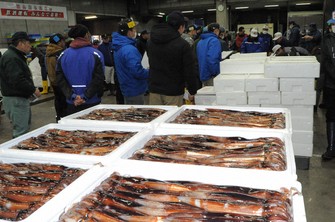
The Mainichi Shimbun answers some common questions readers may have about the suspension order on Japanese flying squid fishing and its impact on Hokkaido's fishing industry.
Question: I heard a fishing suspension order was issued for small squid fishing boats targeting Japanese flying squid. Is that true?
Answer: Yes, the Fisheries Agency issued this order for the first time on Oct. 31 because the nationwide squid haul this year had exceeded the total allowable catch (TAC). However, in Hokkaido, where the squid fishing season starts later, this ban coincided with the peak season, leading to significant dissatisfaction among fishers. In response, the Hokkaido Prefectural Government issued a "special gathering or catching permit" allowing only local fishers to continue catching the squid for resource survey purposes.
Q: Has fishing resumed?
A: It resumed on Nov. 10 with a cap of 398 metric tons, and on Nov. 11, about 3.7 tons were landed at the Hakodate fishery products local wholesale market. In Hokkaido, voluntary fishing suspensions had been in place even before the suspension order, so this was the first catch in about three weeks. Some fishers expressed frustration, saying, "It's good to be able to fish, but there are no Japanese flying squid in the sea," lamenting the missed opportunity to fish during the peak season.
Q: Hakodate is famous as the "squid city," right?
A: Yes, many tourists visit Hakodate seeking live Japanese flying squid. However, the volume of live squid handled in the city peaked at 8,928 tons in fiscal 2008 and has since declined, falling to 400 tons last fiscal year. This fiscal year was doing well, with 580 tons by October, so the fishing ban was a significant blow. The survey period based on the special catching permit runs until Jan. 31 next year, but with the squid moving south to spawn, a substantial increase in catch is not expected.
Q: Could such an order be issued again in the future?
A: The current TAC lacks specific fishing quotas by sea area and period. At a Nov. 20 press conference, Hakodate Mayor Jun Oizumi said, "Hokkaido faced a catching halt before the peak season. As a result, those who fish early benefit," and indicated plans to request a review from the national government. The Fisheries Agency is also considering a review.
(Answers by Kunihiko Misawa, Hakodate Bureau)