World Heritage and Biodiversity
Conservation of ecosystem integrity and biodiversity
Biological diversity underpins ecosystem functioning and the provision of ecosystem services essential for human well-being. World Heritage properties are some of the most outstanding places on the planet and constitute a significant subset of the protected area system, critical for conservation of ecosystem integrity and biodiversity. The World Heritage Convention ensures global commitment for the conservation of these exceptional places, while respecting their cultural and local connections.
The World Heritage Convention recognises some World Heritage properties specifically for their outstanding biodiversity values, protecting many of the most important ecosystems and areas of high biodiversity on the planet, as follows:
being “outstanding examples representing significant on-going ecological and biological processes in the evolution and development of terrestrial, fresh water, coastal and marine ecosystems and communities of plants and animals”
or containing “the most important and significant natural habitats for in-situ conservation of biological diversity, including those containing threatened species of outstanding universal value from the point of view of science or conservation”
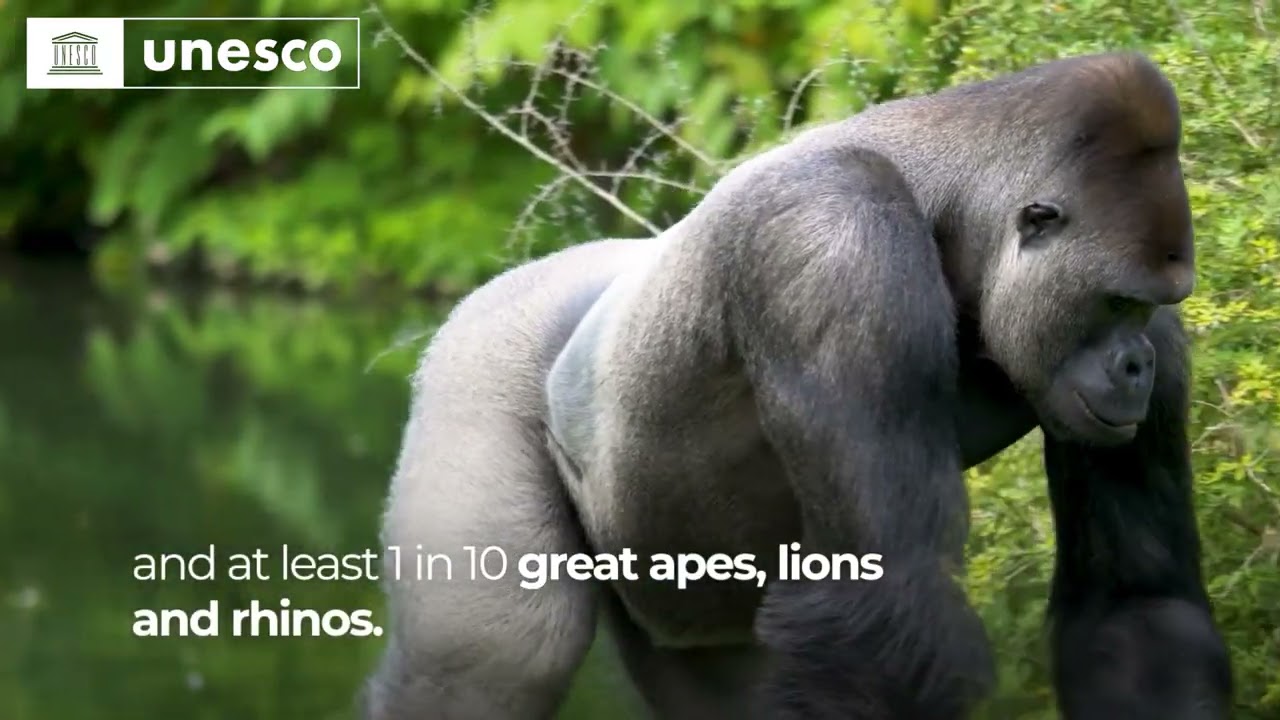
World Heritage:
A unique contribution to biodiversity conservation
The first-ever inventory of species living in UNESCO World Heritage sites reveals that they alone harbour over 20% of mapped global species richness within just 1% of the Earth's surface. Safeguarding these sites is crucial to achieving global conservation targets.
Kunming-Montreal Global Biodiversity Framework
The conslusion of the 15th Conference of Parties to the UN Convention on Biological Diversity (CBD) in December 2022 saw the adoption of the Kunming-Montreal Global Biodiversity Framework (GBF). Amidst a decline in nature threatening the survival of 1 million species and impacting the lives of billions of people, the GBF aims to halt and reverse nature loss. The framework consists of global targets to be achieved by 2030 and beyond to safeguard and sustainably use biodiversity.
National Biodiversity Strategies and Action Plans (NBSAPs) are the principal policy instruments to operationalize the GBF. Integrating World Heritage in NBSAPs is crucial to catalyze action to enhance biodiversity conservation. Mindful of the World Heritage Convention’s importance in meeting the global biodiversity targets, the World Heritage Committee (Decisions 43 COM 5A, 44 COM 5A and 44 COM 7.2) has called on all States Parties to the Convention to actively engage in the preparation and implementation of the GBF, and invited States Parties and parties to the CBD to reflect the contribution of the World Heritage Convention to global biodiversity conservation, including through its integration within the NBSAPs. Suggested steps for integrating the biodiversity-related convention, including the World Heritage Convention, into the NBSAPs are provided in this UNEP publication. With support of the Netherlands Funds-in-Trust (NFiT), UNESCO World Heritage Centre has cooperated with its global partners in development of joint resources and guidance on synergies, including through NBSAPs, to enhance national-level cooperation and synergies across the biodiversity-related conventions.
UNESCO will also be contributing to the implementation of the GBF through the UNESCO Biodiversity Initiative aimed at increasing Member States’ awareness of biodiversity and ecosystem services, as well as crystallizing UNESCO’s work in education, science and culture for the holistic preservation of biodiversity and strengthening the biodiversity science-policy interface.
Culture
Although some sites are recognised specifically for their biodiversity values, there are significant opportunities for reinforcing biodiversity conservation and sustainable use of biodiversity in all World Heritage properties. Around 20% of UNESCO cultural World Heritage sites (>160 sites) are located in Key Biodiversity Areas (KBAs) and more than 120 sites are cultural landscapes which embody a long and intimate relationship between people, culture and their natural environment, often reflecting techniques of land-use that enhance biological diversity.
Areas of high cultural diversity are often areas of high biological diversity. The biocultural heritage has been promoted by UNESCO and the Secretariat of the Convention on Biological Diversity (SCBD) through their Joint Programme on Biological and Cultural Diversity since 2010.
Cooperation and Partnerships
The UNESCO World Heritage Centre cooperates closely with the biodiversity related Conventions (World Heritage Convention, Convention on Biological Diversity (CBD), Ramsar Convention,