New Inscribed Properties
2017
New Inscribed Properties Cultural properties
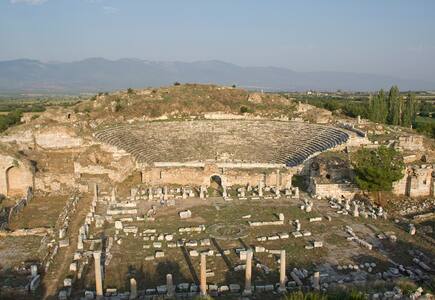
Aphrodisias
Located in southwestern Turkey, in the upper valley of the Morsynus River, the site consists of two components: the archaeological site of Aphrodisias and the marble quarries northeast of the city. The temple of Aphrodite dates from the 3rd century BC and the city was built one century later. The wealth of Aphrodisias came from the marble quarries and the art produced by its sculptors. The city streets are arranged around several large civic structures, which include temples, a theatre, an agora and two bath complexes.


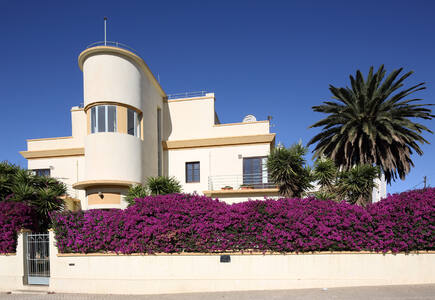
Asmara: A Modernist African City
Located at over 2,000 m above sea level, the capital of Eritrea developed from the 1890s onwards as a military outpost for the Italian colonial power. After 1935, Asmara underwent a large scale programme of construction applying the Italian rationalist idiom of the time to governmental edifices, residential and commercial buildings, churches, mosques, synagogues, cinemas, hotels, etc. The property encompasses the area of the city that resulted from various phases of planning between 1893 and 1941, as well as the indigenous unplanned neighbourhoods of Arbate Asmera and Abbashawel. It is an exceptional example of early modernist urbanism at the beginning of the 20th century and its application in an African context.


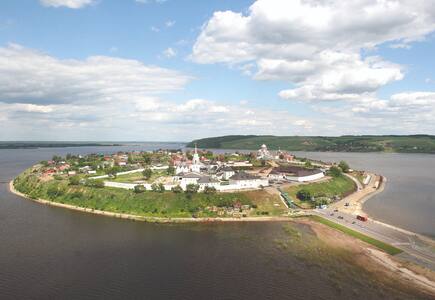
Assumption Cathedral and Monastery of the town-island of Sviyazhsk
The Assumption Cathedral is located in the town-island of Sviyazhsk and is part of the monastery of the same name. Situated at the confluence of the Volga, the Sviyaga and the Shchuka rivers, at the crossroads of the Silk and Volga routes, Sviyazhsk was founded by Ivan the Terrible in 1551. It was from this outpost that he initiated the conquest of the Kazan Khanate. The Assumption Monastery illustrates in its location and architectural composition the political and missionary programme developed by Tsar Ivan IV to extend the Moscow state. The cathedral’s frescoes are among the rarest examples of Eastern Orthodox mural paintings.


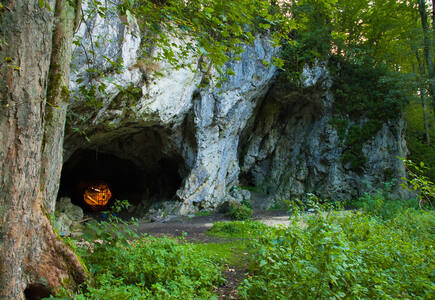
Caves and Ice Age Art in the Swabian Jura
Modern humans first arrived in Europe 43,000 years ago during the last ice age. One of the areas where they took up residence was the Swabian Jura in southern Germany. Excavated from the 1860s, six caves have revealed items dating from 43,000 to 33,000 years ago. Among them are carved figurines of animals (including cave lions, mammoths, horses and bovids), musical instruments and items of personal adornment. Other figurines depict creatures that are half animal, half human and there is one statuette of a woman. These archaeological sites feature some of the oldest figurative art worldwide and help shed light on the origins of human artistic development.